
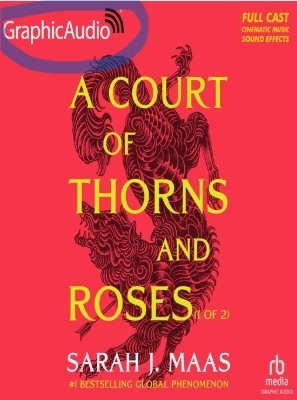
Fans of audiobooks have probably already heard about dramatized or graphic audiobooks. But for those unfamiliar, let's discuss some of the differences between those and traditional audiobooks.
What are audiobooks?
Just so we're all on the same page ;) Audiobooks are recordings of books that allow listeners to enjoy books outside of the printed word. Typically, a single narrator reads both the narrative and the dialogue between characters.
Why choose audiobooks?
There are many benefits to listening to a story instead of or in addition to reading it. Audiobooks allow listeners to multitask while listening to their favorite stories, whether that's running errands or completing work at home or in the office. Offering audiobooks is an inclusive way to make sure that people with visual difficulties or reading challenges also get to access materials. Lastly, audiobooks are convenient because they can usually be listened to directly from a smartphone or Playaway device, also conveniently sized to fit in a pocket.
What are dramatized audiobooks?
Dramatized audiobooks are the newest innovation in audiobook presentations. They are also known as graphic audiobooks, not because they have more blood and guts than regular audiobooks, but because they provide a vivid and realistic portrayal of the story being told.
How do they make the story more realistic? By employing a cast of actors to portray individual characters, making the dialogue sound more realistic coming from different voices. There is usually a soundtrack to help set the tone of certain scenes or when characters themselves sing, now listeners can hear the actual song! Graphic audiobooks also include sound effects to emphasize elements in the story like howling wind or footsteps on the stairs. These same types of effects are added to your favorite movies to enhance your experience of media as well.
Here is a handy chart to help make the difference clear.
| Traditional Audiobooks | Dramatized Audiobooks | |
| Narration Style | The single narrator voices all characters | A full cast of actors portrays different characters |
| Sound Effects | Limited or no sound effects | Immersive sound effects enhance the audio environment |
| Music | A narrator reads character dialogue | Original scores or selected tracks amplify the mood |
| Dialogue | Relies on the narrator’s voice for immersion | Actors engage in dialogue, adding depth and interaction |
| Immersion | The narrator uses different tones and inflexions | The multi-dimensional approach creates a dynamic and theatrical atmosphere |
| Character Portrayal | The narrator uses different tones and inflexions | Actors bring distinct voices and personalities to characters |
| Emotional Impact | Relies on the narrator’s delivery | Theatrical elements intensify emotional responses |
Pros and Cons?
Obviously, if you enjoy the immersive world created by graphic audiobooks, then their popularity is a win for you! Hiring actors and musicians means more jobs and more artistic interpretation in the world, yay! And if these books get more people interested in reading, then that is a win for everyone!
A couple things to consider, the first being cost. Hiring a full cast and sometimes musicians can cost more which means the books will cost both individuals as well as libraries more to purchase dramatized audiobooks. The other factor here is the rise in use of generative AI. Some companies are starting to use AI to mimic human speech, which cuts down the cost of things, but also means fewer jobs in the creative arts.
What do you think about dramatized or graphic audiobooks? Be sure to look for the GraphicAudio symbol on the cover of the book (as seen on the ACOTAR cover above) the next time you browse Libby or Hoopla.